
How to Find Inner Peace: Science-Backed Strategies

U4RIA
Mindful Writer
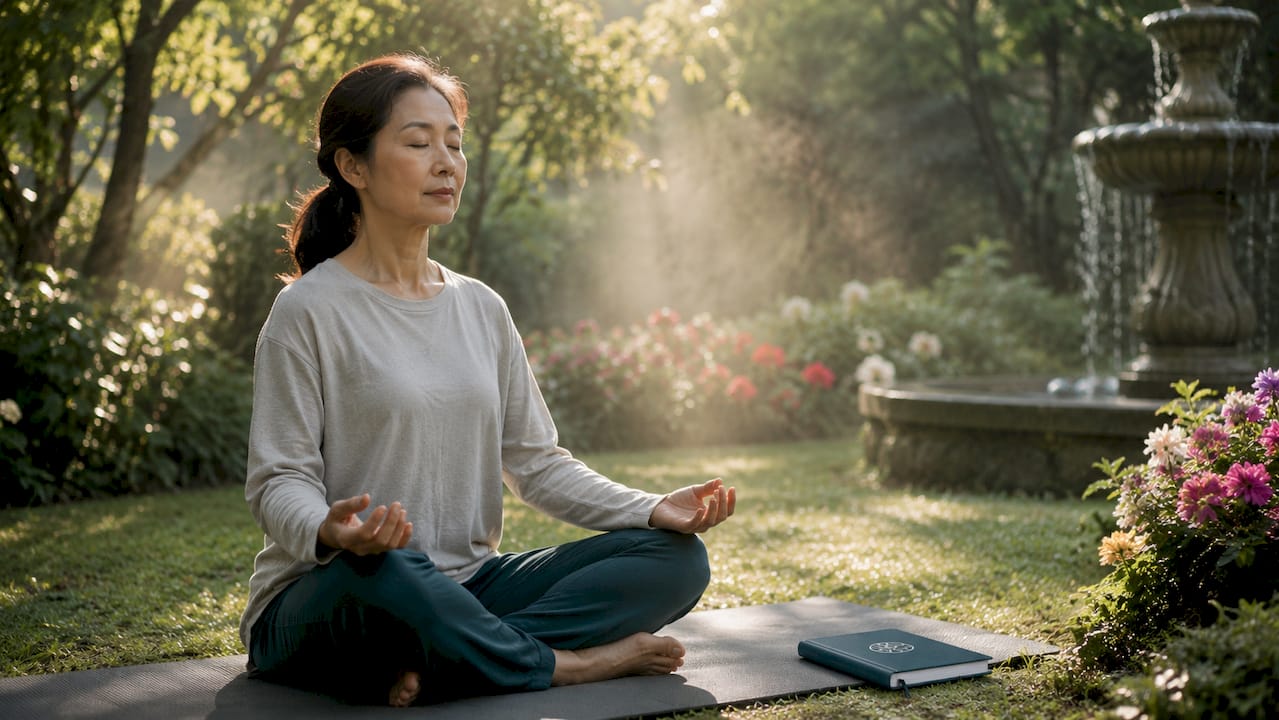
Inner peace is the intentional state of psychological calm and emotional balance maintained even amid life’s stressors. Psychologists define it as a form of psychological homeostasis, where contentment and stability persist regardless of external circumstances. This is not the absence of emotion. It is a trainable skill, built through mindfulness practices, breathing techniques, and consistent daily habits. This article walks you through the research, the methods, and the practical tools, including U4RIA, that make lasting calm achievable.
What does science say about inner peace and mindfulness?
Mindfulness research frames inner peace as improved emotion regulation, not the elimination of stressors. That distinction matters enormously. You are not trying to make life quieter. You are training your nervous system to respond differently to the noise.
A 2026 meta-analysis of 30 randomized controlled trials involving 24,000 participants found that mindfulness-based interventions produced moderate reductions in anxiety, depression, and stress, with a pooled effect size of Hedges’ g = 0.45. That effect size is clinically meaningful. It places mindfulness in the same effectiveness range as many first-line psychological treatments.
“Mindfulness-based interventions show consistent, moderate improvements in psychological distress across diverse populations, with the strongest effects seen in structured 8–12 week programs.”
The physiological evidence is equally compelling. A 13-week mindfulness intervention in university students produced selective autonomic changes, including measurable shifts in heart rate variability (HRV). HRV is a marker of how flexibly your autonomic nervous system responds to stress. Higher HRV generally signals better stress recovery. These are not just mood improvements. They are changes in how your body physically handles pressure.
An 8-week Mindfulness-Based Stress Reduction (MBSR) program also showed significant improvements in sleep quality and reduced academic stress in adolescents, measured with validated tools like the Pittsburgh Sleep Quality Index. Sleep and stress are tightly linked. Improving one reliably improves the other.
| Intervention | Duration | Key Outcome | Population |
|---|---|---|---|
| MBSR | 8 weeks | Reduced stress, improved sleep | Adolescents |
| Mindfulness program | 13 weeks | Improved HRV, emotional regulation | University students |
| MBI meta-analysis | 8–12 weeks | Reduced anxiety, depression, stress | General adults |
| Self-guided MBI | 8 sessions | Significant anxiety reduction | Generalized anxiety disorder |
How to use breathing techniques for achieving calmness
Mindfulness practice rests on three foundations: attention, intention, and attitude. Attention means noticing what is happening right now. Intention means choosing to return to the present when your mind wanders. Attitude means approaching that process without judgment. These three elements work together to shift your nervous system out of reactive mode.
Breathing is the fastest entry point. The 4-7-8 technique is one of the most studied and accessible methods. Here is how it works:
-
Inhale quietly through your nose for 4 seconds.
-
Hold your breath for 7 seconds.
-
Exhale completely through your mouth for 8 seconds.
-
Repeat the cycle 3–4 times.
The extended exhale is the key mechanism. It activates the parasympathetic nervous system via vagal nerve stimulation, which drops heart rate and signals the body to shift out of fight-or-flight mode. The hold phase amplifies this effect by building mild carbon dioxide tolerance, which further calms the respiratory drive.
Box breathing, used by U.S. Navy SEALs, follows a 4-4-4-4 pattern: inhale, hold, exhale, hold, each for 4 seconds. It is slightly less potent for acute anxiety relief than 4-7-8, but easier for beginners to maintain under pressure. Both techniques qualify as relaxation techniques that produce real autonomic effects within minutes.
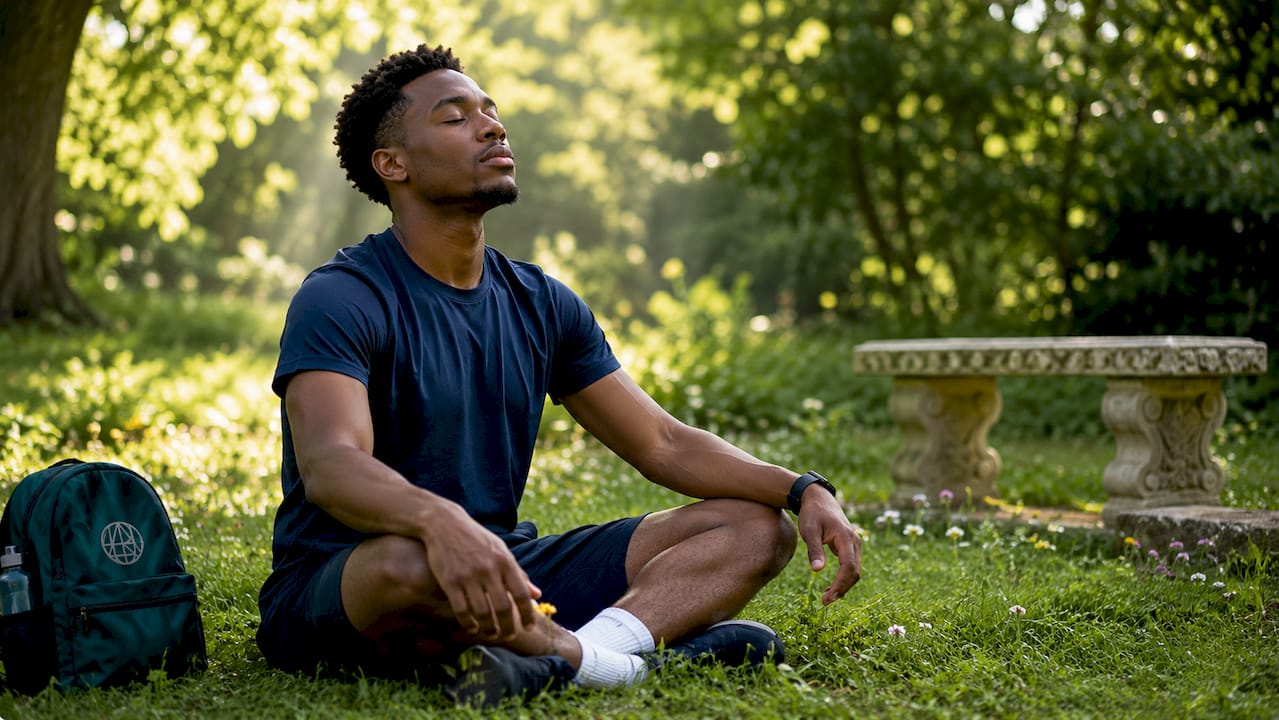
Pro Tip: Use 4-7-8 breathing the moment you feel your chest tighten or your thoughts race. You do not need a quiet room. Two cycles in a bathroom stall, a parked car, or a hallway will shift your physiology within 60 seconds.
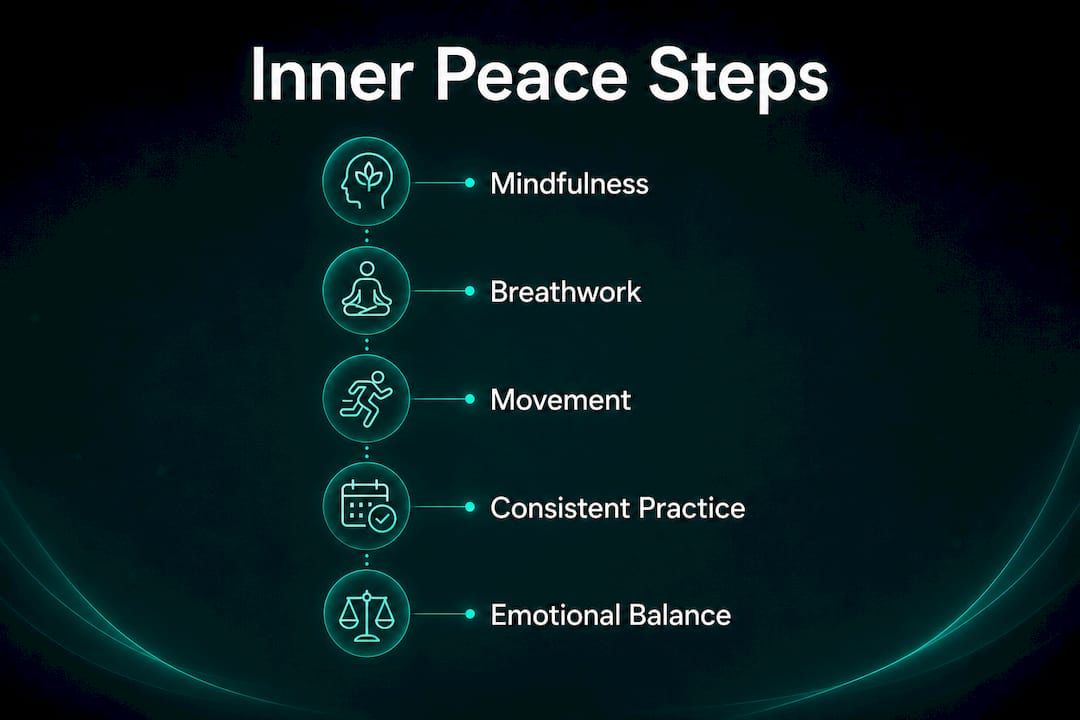
How to build lasting emotional balance through consistent practice
Emotional balance is not a destination. It is a skill you practice in the same way you practice a musical instrument. The goal is not to feel calm all the time. The goal is to return to calm faster after disruption.
Inner calm reflects letting go of attachments and reducing automatic reactivity, not suppressing emotions. Suppression actually increases physiological stress. Letting go means recognizing that a feeling is temporary, observing it without fusing with it, and intentionally redirecting attention. That is a learnable skill, not a personality trait.
Consistency matters more than intensity. A 2026 self-guided mindfulness trial in people with generalized anxiety disorder found significant symptom reductions when participants completed a median of 7 out of 8 structured sessions. Missing one session did not derail progress. Completing most sessions did produce meaningful change. That is the minimum effective dose principle applied to mental wellness.
Practical steps to build this consistency:
-
Practice in mildly activated states, not just quiet moments. Sitting with mild discomfort and returning to calm is exactly what builds lasting resilience.
-
Track your triggers. Keep a simple note on your phone: what activated you, what you did, how long it took to return to baseline.
-
Use structured programs. Eight to twelve weeks of guided practice outperforms sporadic sessions every time.
-
Integrate micro-practices. A single mindful breath before a meeting, a 60-second body scan before sleep, or a morning gratitude practice all compound over time.
-
Use apps like U4RIA for guided sessions that fit into a busy schedule without requiring a dedicated meditation room or hour-long blocks.
Pro Tip: Do not wait for a calm moment to practice mindfulness. Practice during mild stress, like a slow elevator, a traffic jam, or a long checkout line. That is where the real training happens.
Mindfulness vs. breathwork vs. movement: which approach fits you?
No single method works for everyone. The best practice is the one you will actually do. The table below compares the most common approaches to finding tranquility and achieving calmness.
| Approach | Purpose | Typical Duration | Physiological Effect | Accessibility |
|---|---|---|---|---|
| Mindfulness meditation | Attention and emotion regulation | 10–20 min/day | Reduces cortisol, improves HRV | High, app or self-guided |
| 4-7-8 breathwork | Acute stress relief | 2–5 min | Parasympathetic activation | Very high, no tools needed |
| Yoga | Mind-body integration | 30–60 min | Lowers heart rate, reduces tension | Moderate, class or video |
| Tai chi | Gentle movement and focus | 20–45 min | Improves balance, reduces anxiety | Moderate, class preferred |
| Gratitude journaling | Cognitive reframing | 5–10 min | Shifts attention, reduces rumination | Very high, pen and paper |
Personal preference and lifestyle determine which approach sticks. If you have 2 minutes between meetings, breathwork wins. If you have a chronic sleep problem, MBSR is the most evidence-backed choice. If you respond well to physical movement, yoga or tai chi will feel more natural than sitting meditation. The mindfulness habits checklist from Orchestral Meditations offers a practical framework for building a consistent routine across multiple approaches.
Structured programs consistently outperform self-guided practice for beginners. Once you have a foundation, self-guided practice becomes sustainable. Start structured, then adapt.
Key Takeaways
Cultivating inner peace requires consistent, evidence-based practice across mindfulness, breathwork, and daily habits, not a single technique or a stress-free life.
| Point | Details |
|---|---|
| Inner peace is a skill | Psychological calm is trainable through repeated practice, not a fixed personality trait. |
| 8–12 week programs work best | Structured mindfulness programs produce the most reliable reductions in anxiety and stress. |
| Breathing changes physiology | The 4-7-8 technique activates the parasympathetic nervous system within minutes of practice. |
| Practice in mild stress | Training calmness during everyday activation builds real-world resilience, not just quiet-room calm. |
| Consistency beats intensity | Completing most sessions of a structured program matters more than any single long session. |
The uncomfortable truth about finding tranquility
Most people approach inner peace the wrong way. They wait for life to slow down before they start practicing. That is like waiting to be fit before you go to the gym.
The research is clear: 8–12 week programs outperform sporadic effort. But what the studies do not always say loudly enough is that the practice has to happen in real life, not just in a quiet room with a candle. The people who build genuine emotional balance are the ones who practice during the commute, the difficult conversation, the sleepless night.
The other misconception worth addressing directly: inner peace does not mean feeling good all the time. It means your recovery time gets shorter. You still feel frustration, grief, and anxiety. You just do not live there as long. That shift is measurable in HRV data, in sleep quality scores, and in the simple fact that you stop dreading Monday morning.
U4RIA was built around this reality. The SOS Wheel feature exists precisely because calm is not always convenient. Sometimes you need support in 30 seconds, not after a 20-minute session. That is not a shortcut. That is good design aligned with how the nervous system actually works.
— U4RIA
U4RIA: guided tools for daily calm and stress relief
Building a consistent mindfulness practice is easier when you have the right structure behind you. U4RIA offers guided meditation, breathwork, and sleep tools designed around the same evidence-based principles covered in this article, including structured programs, breathing exercises, and AI-personalized audio support.
With over 150,000 downloads and a 4.9/5 rating on the App Store, U4RIA reports that 92% of people using the app experience reduced anxiety. The SOS Wheel delivers instant emotional support when stress hits without warning. For teams and organizations, U4RIA’s wellness programs bring structured mindfulness directly into the workplace, reducing burnout and supporting emotional balance at scale. Whether you are starting a daily practice or looking for on-demand calm, U4RIA fits where you are right now.
FAQ
What is inner peace, exactly?
Inner peace is a deliberate state of psychological calm and emotional balance maintained despite external stressors. It coexists with difficult emotions rather than eliminating them.
How long does it take to cultivate inner peace through mindfulness?
Research shows that 8–12 week structured mindfulness programs produce the most reliable improvements in anxiety, stress, and emotional regulation.
Does the 4-7-8 breathing technique actually work?
Yes. The extended exhale in the 4-7-8 pattern activates the parasympathetic nervous system through vagal stimulation, producing measurable drops in heart rate within minutes.
Can self-guided mindfulness apps be as effective as in-person programs?
A 2026 randomized controlled trial found that self-guided, structured mindfulness programs produced significant anxiety reductions when participants completed most of the sessions consistently.
What is the difference between mindfulness and meditation for peace?
Mindfulness is the broader practice of present-moment awareness applied throughout daily life. Meditation for peace is a formal, seated practice that trains that awareness. Both support emotional balance, and they work best used together.
Comments (0)
No comments yet. Be the first to comment!