
What Is Self-Soothing? Techniques for Emotional Relief

U4RIA
Mindful Writer
Self-soothing is defined as the intentional, self-directed practice of calming your nervous system through sensory, physiological, and behavioral techniques to restore emotional balance. Rooted in clinical frameworks like Dialectical Behavior Therapy (DBT), it gives you a reliable way to step back from emotional flooding without running from your problems. The nervous system is remarkably powerful, yet highly sensitive, and knowing how to work with it rather than against it changes everything. U4RIA's 92% user anxiety reduction rate reflects just how much structured self-soothing practice can shift daily stress levels.
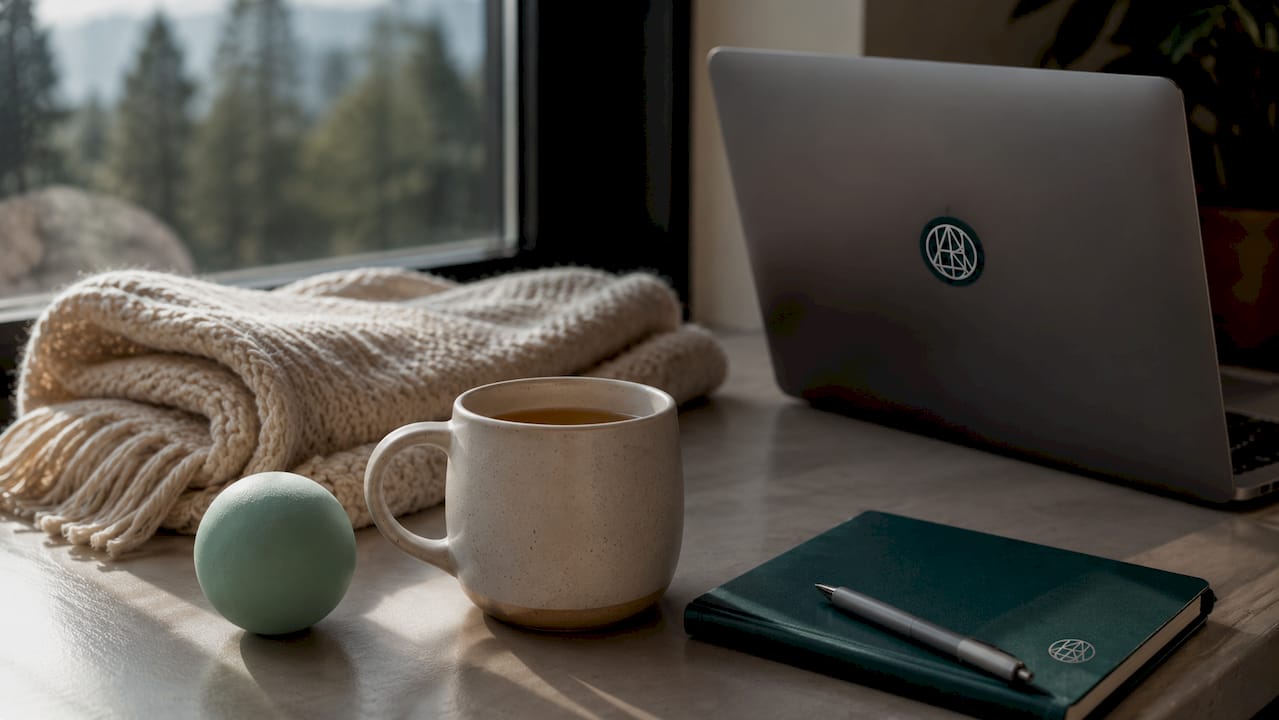
What is self-soothing and how does it work?
Self-soothing works by activating the parasympathetic nervous system — the branch responsible for rest and recovery — to counteract the fight-or-flight response triggered by stress. When you feel overwhelmed, your body floods with cortisol and adrenaline. Intentional practices like diaphragmatic breathing, sensory grounding, or rhythmic movement signal to your brain that you are safe, slowing your heart rate and reducing muscle tension.
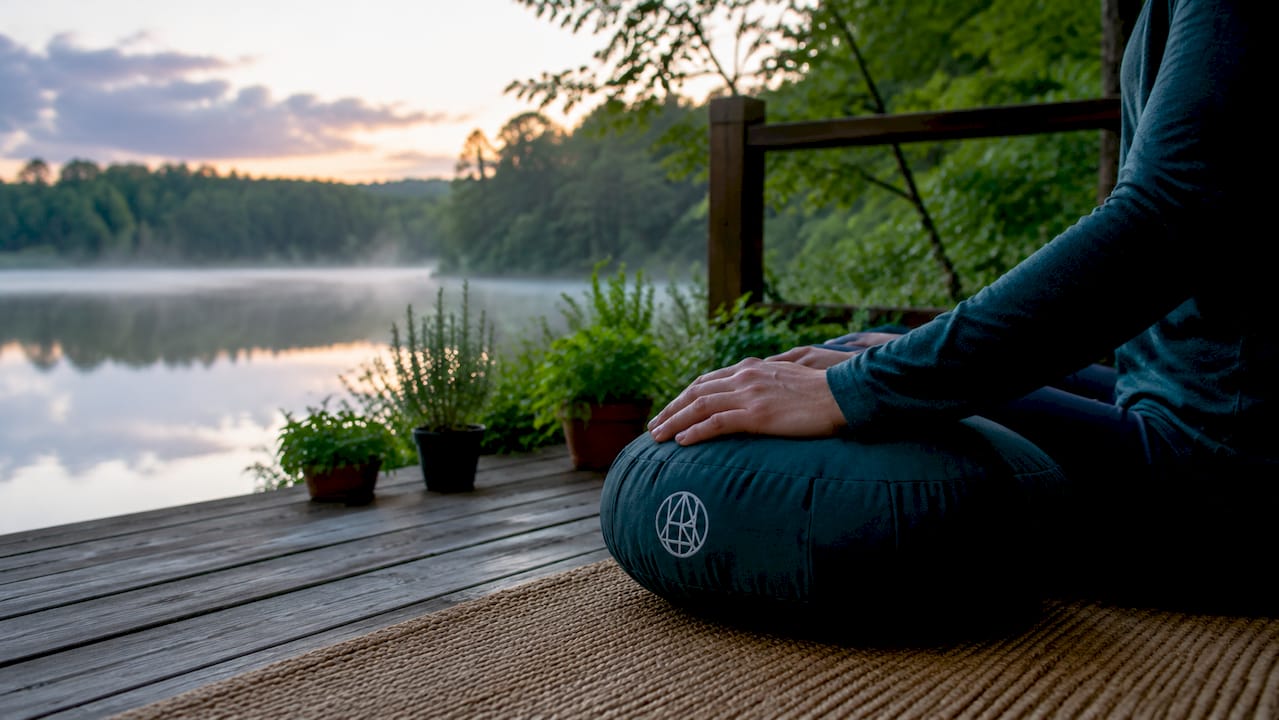
The five senses serve as direct entry points to this calming response. DBT, developed by psychologist Marsha Linehan, formalizes this through its Self-Soothe Skill, which guides people to engage sight, sound, smell, taste, and touch deliberately during distress. Something as simple as placing a hand on your heart activates the vagus nerve and measurably lowers physiological stress.
Emotional flooding — the state where stress overwhelms your ability to think clearly — is what self-soothing prevents. Tensing and relaxing muscles sequentially, combined with slow, even breathing, releases physical tension before it escalates into conflict or shutdown. The table below maps each mechanism to its physiological effect.
| Mechanism | Physiological effect |
|---|---|
| Diaphragmatic breathing | Lowers heart rate, activates parasympathetic response |
| Progressive muscle relaxation | Releases stored tension, reduces cortisol |
| Sensory grounding (five senses) | Anchors attention, interrupts rumination |
| Rhythmic movement | Regulates nervous system through repetitive motor input |
| Hand on heart | Stimulates vagus nerve, reduces physiological arousal |
How to self-soothe: practical techniques for every sense
The most effective self-soothing activities engage multiple senses at once. DBT recommends preparing 3–5 specific, reliable options per sense so that if one technique fails in the moment, another is ready. This preparation matters because stress impairs decision-making, and you need options that require no thought to access.
Here is a practical breakdown by sense:
- Sight: Calming nature visuals, a favorite photograph, a candle flame, or a slow-moving screensaver
- Sound: A curated playlist of low-tempo music, nature sounds, white noise, or a familiar podcast
- Smell: Lavender essential oil, a scented lotion, fresh coffee, or a familiar fabric softener
- Taste: Warm herbal tea, a piece of dark chocolate, or a cold glass of water sipped slowly
- Touch: A stress ball, a weighted blanket, a soft fabric, or a warm shower
Beyond sensory inputs, physiological techniques add another layer. Diaphragmatic breathing involves inhaling slowly through the nose for four counts, holding for two, and exhaling through the mouth for six. Rhythmic movement, such as gentle rocking, walking, or even tapping a steady beat on your thigh, engages the motor system to further calm the nervous system.
Pro Tip: Combine techniques across senses for faster relief. Listening to calming music while using a weighted blanket, or sipping warm tea while watching a slow nature video, activates the parasympathetic nervous system more rapidly than any single approach alone.
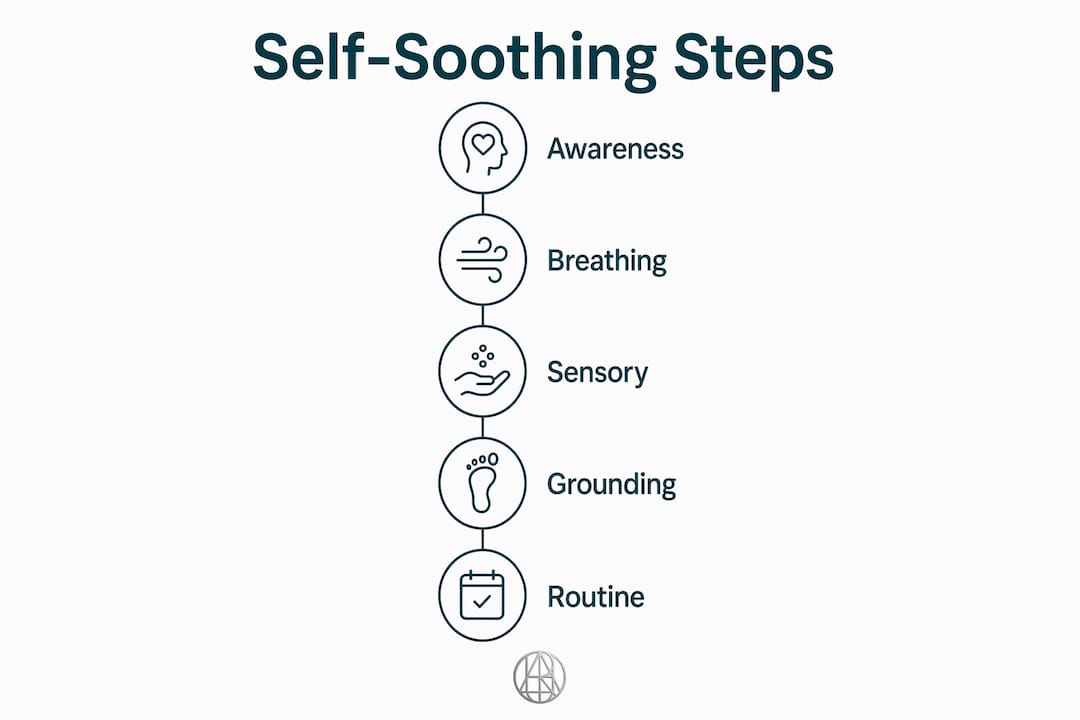
Personalization is non-negotiable. What signals safety to one person's nervous system may feel irritating to another. Experimenting during calm moments, not crisis moments, lets you build a reliable toolkit before you actually need it.
Common misconceptions about self-soothing
The most persistent misconception is that self-soothing equals avoidance. It does not. True self-soothing regulates the nervous system temporarily so you can return to a stressor with greater clarity, not escape it permanently. Think of it as pressing pause on a heated conversation so you can finish it productively, not walking out of the room forever.
A second misunderstanding involves its origins. Early experiences of coregulation — being soothed by a caregiver during infancy — form the neurological foundation for the ability to self-soothe independently later in life. People who find self-soothing difficult often had limited coregulation experiences early on. That is not a character flaw. It is a developmental gap that can be closed with practice and, when needed, professional support.
"Self-soothing allows you to ride the wave of emotion safely. It is not about suppressing what you feel. It is about creating enough calm to respond rather than react." — Gottman Institute
Shame is the biggest barrier to building this skill. Recognizing that the capacity to self-soothe is learned, not innate, removes the judgment and opens the door to genuine progress.
In relationship contexts, communicating a need for a time-out before self-soothing prevents it from being misread as stonewalling. A simple statement like "I need 20 minutes to calm down, and then I want to come back to this" keeps the connection intact while you regulate.
How to build self-soothing into your daily routine
Consistent self-soothing practice requires structure, especially when you are not in crisis. Scheduling brief calming activities into your day — a five-minute breathing session in the morning or a sensory wind-down before bed — builds the neural pathways that make self-soothing automatic under stress.
Follow these steps to make the practice stick:
- Conduct a daily self-check-in. Pause twice a day to rate your stress level on a scale of 1–10. This builds body awareness before distress escalates.
- Build your self-soothe kit. Gather 3–5 items per sense and keep them accessible. A ready self-soothe kit dramatically increases success when cognition is compromised by stress.
- Practice during calm moments. Run through your techniques when you feel neutral so your nervous system recognizes them as safe signals before you need them urgently.
- Set a time-out signal in relationships. Agree on a word or gesture with a partner that means "I need to regulate, and I will return." This protects both the relationship and your recovery time.
- Use guided support. Breathing exercises and guided meditation practices provide structure when self-directing feels difficult, particularly during acute anxiety episodes.
Pro Tip: Pair your self-soothing routine with an existing habit, such as brewing your morning coffee or brushing your teeth at night. Habit stacking reduces the mental effort required to start and makes the practice far more consistent.
Learning how to find inner peace through nervous system regulation is a skill, not a personality trait. The more you practice, the faster your body responds to your own calming cues.
Key takeaways
Self-soothing is a learnable, evidence-based skill that works by activating the parasympathetic nervous system through sensory and physiological techniques, with personalization and preparation determining how effective it becomes under real stress.
| Point | Details |
|---|---|
| Core definition | Self-soothing uses intentional sensory and physiological techniques to restore nervous system calm. |
| DBT framework | DBT recommends 3–5 reliable options per sense to ensure a technique is available during distress. |
| Not avoidance | Self-soothing regulates temporarily so you can engage with stressors more effectively afterward. |
| Coregulation roots | Limited early coregulation experiences explain why some people find self-soothing harder to learn. |
| Multisensory advantage | Combining techniques across senses activates the parasympathetic response faster than single-sense methods. |
What I have learned from building a self-soothing practice
The most surprising thing about self-soothing is how much trial and error it actually takes. People expect to find one technique that works every time. That is not how the nervous system operates. What calms you after a difficult work call may do nothing after a conflict with someone you love, because the emotional texture of each stressor is different.
What I have found consistently is that preparation beats willpower. When you build your self-soothe kit during a calm afternoon, you are making a decision for your future distressed self, who will not have the bandwidth to improvise. That act of preparation is itself a form of self-care.
The learning curve is real, and setbacks are part of it. Some days a technique that worked perfectly last week feels hollow. That is not failure. It is feedback. Rotate your options, add a new sensory element, or try combining two approaches you have not paired before. Multisensory engagement consistently produces the fastest results, and it is the method most people underuse simply because it feels like too much effort to set up. It is not. Putting on a playlist and wrapping yourself in a soft blanket takes thirty seconds and can shift your state in minutes.
Self-soothing also changes how you show up in relationships. When you can regulate your own nervous system reliably, you stop needing others to manage your emotional state for you. That shift — from reactive to regulated — is one of the most meaningful outcomes of building this skill.
— U4RIA
U4RIA supports your self-soothing practice
Knowing the techniques is one thing. Having structured, personalized support to practice them consistently is another.
U4RIA is a wellness app built specifically for anxiety, stress, and sleep challenges. Its guided meditations, breathing tools, and sleep stories align directly with the sensory and physiological self-soothing methods covered here. The app's SOS Wheel gives you instant emotional support when distress hits without warning, and its AI-personalized audio messages adapt to your immediate state rather than offering generic advice. With over 150,000 downloads and a 4.9/5 App Store rating, U4RIA has helped 92% of users reduce anxiety. Start your practice with tools designed to meet you exactly where you are.
FAQ
What is self-soothing in simple terms?
Self-soothing is the practice of deliberately calming your nervous system through sensory or physiological techniques like deep breathing, comforting textures, or soothing sounds. It restores emotional balance without suppressing or avoiding what you feel.
Is self-soothing the same as avoiding your problems?
No. Self-soothing regulates your nervous system temporarily so you can return to a stressor with greater clarity and composure. It is a pause, not an exit.
What are the best self-soothing techniques for anxiety?
Diaphragmatic breathing, progressive muscle relaxation, and multisensory grounding through the five senses are among the most clinically supported techniques. DBT recommends preparing 3–5 options per sense for maximum effectiveness.
Why do some people find self-soothing so difficult?
The capacity to self-soothe develops through early coregulation experiences with caregivers. Limited coregulation in childhood can make independent self-soothing harder to access as an adult, though it remains a learnable skill at any age.
How long does it take for self-soothing to work?
Multisensory techniques, such as combining calming music with a weighted blanket, can shift physiological arousal within minutes. Consistent daily practice builds faster and more reliable responses over time.
Comments (0)
No comments yet. Be the first to comment!